
Understanding Off-Grid Solar Systems
Introduction to Off-Grid Solar Systems
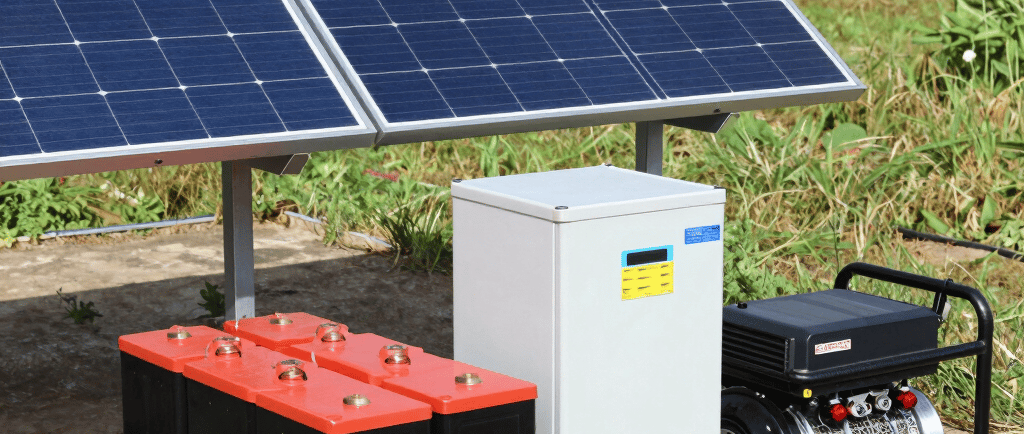
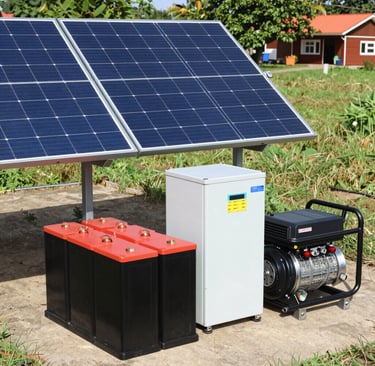
Off-grid solar systems provide a self-sufficient means of energy generation and consumption. These systems enable individuals and communities to harness the power of the sun, typically in remote areas where grid connections are not available. By understanding how off-grid solar systems work, one can appreciate both their advantages and disadvantages, aiding in making informed energy choices.
Advantages of Off-Grid Solar Systems
One of the main benefits of off-grid solar systems is energy independence. They allow users to generate their own electricity, reducing reliance on utility providers and fossil fuels. This independence can be particularly advantageous during power outages or in locations where traditional electricity greets difficulties.
Another significant advantage is the potential for considerable cost savings over time. While the initial investment in an off-grid solar system can be high, the long-term savings on electricity bills can outweigh these costs. Moreover, many governments offer incentives and rebates for renewable energy systems, which can further reduce overall expenses.
Off-grid solar systems also promote environmental sustainability. By utilizing renewable solar energy, users reduce their carbon footprint and contribute to a cleaner environment. This shift towards sustainable energy sources is becoming increasingly important in the face of climate change and its adverse impacts.
Disadvantages of Off-Grid Solar Systems
Despite their various benefits, off-grid solar systems are not without challenges. One crucial disadvantage is the reliance on weather conditions. Solar energy production can be significantly affected by cloudy days or adverse weather, which may lead to insufficient power generation in certain periods, especially during winter months.
Additionally, the upfront cost of installing an off-grid solar system can be a significant barrier for many. While prices for solar panel technology have decreased, the required components such as batteries, inverters, and installation can accumulate to a substantial investment. Homeowners need to carefully evaluate their financial capacity and long-term energy needs before committing to such a system.
Lastly, maintenance and system management require attention and knowledge from the user. Regular monitoring and the occasional need for component replacement mean that users must stay informed about their system's performance. This commitment can be a disadvantage for those who prefer a more hands-off approach to energy management.
Conclusion
In conclusion, off-grid solar systems offer a promising solution for energy independence, sustainability, and potential cost savings. However, users must be cognizant of the disadvantages, such as weather dependency, initial costs, and maintenance requirements. Understanding these factors is essential in determining whether an off-grid system aligns with one’s energy goals and lifestyle.