
Understanding Hybrid Solar Systems with Battery Storage
Why Hybrid Solar Systems Are Becoming the Smart Choice for Homes
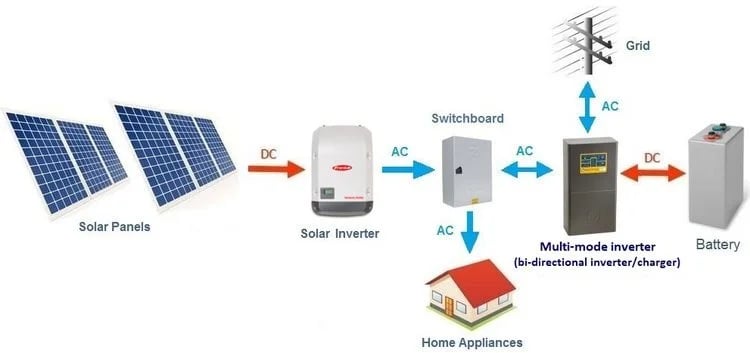
A hybrid solar system combines the benefits of traditional solar power with battery storage, giving homeowners greater energy independence and reliability. Unlike standard solar systems that only work efficiently during the daytime, a hybrid setup stores excess electricity in batteries for use at night or during power cuts.
Main Advantages of Hybrid Solar with Battery Storage
One of the biggest advantages of a hybrid solar system is reduced electricity bills. During sunny hours, solar panels generate electricity for household use, and any extra energy is stored instead of being wasted. This stored power can then be used when electricity demand is high or when grid power is unavailable.
Hybrid systems are especially useful in areas with frequent power outages. The battery backup keeps essential appliances such as lights, fans, refrigerators, Wi-Fi routers, security systems, and even air conditioners running smoothly even during blackouts.
Another important benefit is energy flexibility. Homeowners can choose when to use solar power, battery power, or grid electricity, helping optimize energy consumption and lower dependency on rising electricity prices.
Limited Disadvantages of Hybrid Systems
Although hybrid solar systems cost more initially than regular on-grid systems, they provide long-term savings, backup power, and better energy security. As battery technology becomes more affordable, hybrid systems are quickly becoming one of the most practical and future-ready solar solutions for residential homes.
Conclusion
In conclusion, understanding hybrid solar systems with battery storage highlights a promising shift towards more resilient energy solutions.